Most people eat processed food every single day without thinking about it. Bread from a packet. A flavoured yoghurt. Instant noodles. A biscuit with tea. It feels normal — because it is normal in the modern world.
But what if you stopped for just 30 days?
Not a crash diet. Not starvation. Just 30 days of eating real, whole food — vegetables, fruit, meat, fish, eggs, nuts, legumes, and grains in their natural form — with zero processed products.
Here is exactly what your body does. Week by week.
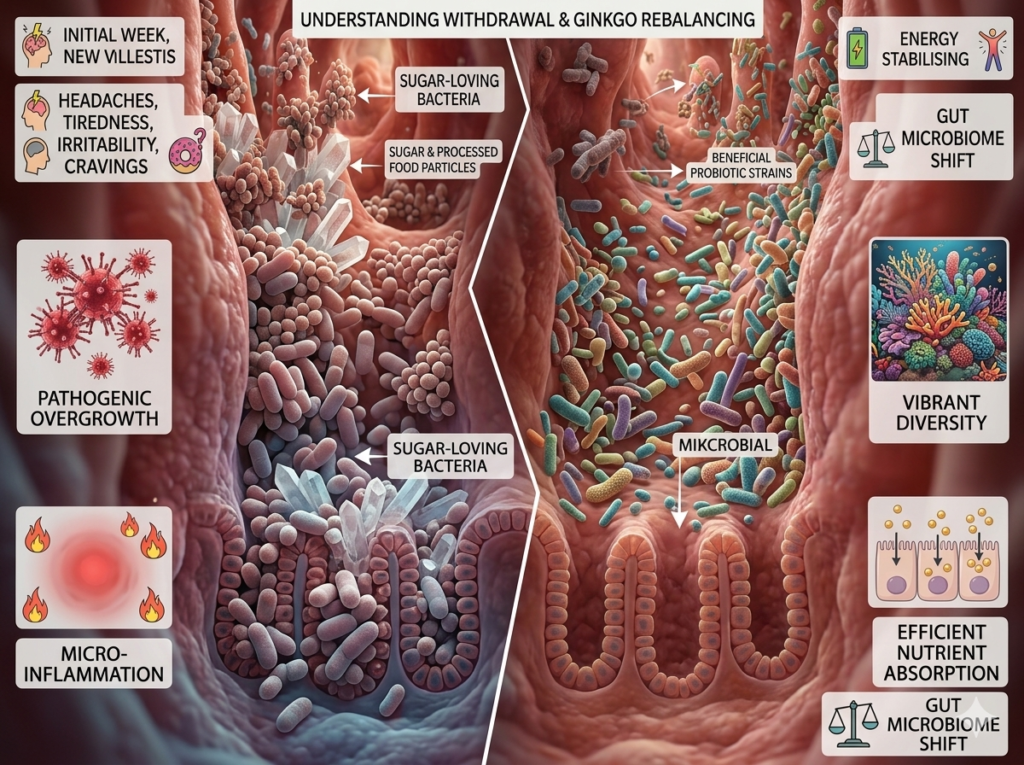
| WEEK 1 | Days 1–7: Your body protests — and that is a good sign. The first week is the hardest. Your body has been running on sugar, salt, and artificial flavour signals for years. When those stop, it complains. You may feel headaches, tiredness, irritability, and strong cravings — especially for sweet or salty things. This is withdrawal. It is real and it is temporary. Your gut bacteria are also beginning to shift — the bacteria that thrive on sugar start to reduce, and the beneficial strains start to grow. By Day 5–7, most people notice their energy beginning to stabilise. |
| WEEK 2 | Days 8–14: The fog lifts. Sleep improves. This is when people start to feel the difference. Without the sugar spikes and crashes of processed food, blood glucose becomes more stable across the day. Mental clarity improves — the brain fog that many people accept as normal begins to clear. Sleep quality often improves significantly in Week 2 because you are no longer consuming the stimulants and additives that disrupt your sleep cycle. Skin may begin to look less puffy and more even — this is partly water weight and partly reduced inflammation. |
| WEEK 3 | Days 15–21: Inflammation drops. Digestion transforms. By Week 3, the gut microbiome has made a meaningful shift. Bloating reduces. Digestion becomes more regular. Many people report that digestive discomfort they assumed was normal simply disappears. Chronic low-level inflammation — which processed food drives through refined oils, added sugars, and artificial additives — begins to fall. Joints feel less stiff. Blood pressure often drops measurably in people who were consuming high amounts of sodium from processed food. Taste buds recalibrate — natural foods begin to taste sweeter and more flavourful. |
| WEEK 4 | Days 22–30: Your body finds its new normal. By the final week, the changes compound. Hunger becomes more predictable and easier to manage — because whole foods provide fibre and protein that create lasting satiety, unlike the empty calories of processed food. Cravings for sugar and salt are dramatically lower than Day 1. Many people find they have lost 2–4 kg — not through starvation, but simply through removing excess sodium, sugar, and refined carbohydrates. Energy is more consistent throughout the day. And crucially — this new way of eating no longer feels like an effort. |
What Actually Changes — At a Glance
| Body System | What Improves in 30 Days |
| Blood sugar | Stabilises — fewer energy crashes, reduced insulin spikes |
| Gut health | Microbiome diversity improves, bloating and irregularity resolve |
| Inflammation | Measurable drop — joints, skin, and general discomfort improve |
| Sleep | Deeper, more consistent sleep without stimulant disruption |
| Brain & focus | Mental clarity improves as blood sugar stabilises |
| Blood pressure | Often drops within 2–3 weeks as sodium intake falls |
| Body weight | Typically 2–4 kg reduction from water and fat loss |
| Taste sensitivity | Natural foods taste better — sweetness and flavour return |
| Energy levels | More consistent throughout the day — fewer highs and crashes |
3 Simple Rules to Make It Work
- Read the label. If a product has more than 5 ingredients, or contains ingredients you cannot picture in nature — it is processed. Put it back.
- Cook in batches. The biggest reason people return to processed food is convenience. Prepare simple meals in bulk on Sunday — roasted vegetables, boiled eggs, cooked lentils — and you remove the decision entirely.
- Replace, do not just remove. Swap the biscuit for a handful of dates and nuts. Swap the flavoured yoghurt for plain yoghurt with fruit. Swap the instant noodles for rice and egg. The replacement has to be easy and available, or the craving wins.
| 30 days is not a long time. But for your body, it is long enough to begin reversing years of damage from processed food. You will not be perfect on Day 1. But by Day 30, most people say the same thing: they cannot imagine going back. |
This is exactly the kind of daily change that sits at the heart of The 120-Day Miracle — small, consistent, evidence-based steps that transform your health without extreme diets or expensive programmes.
| Ready to start your 30-day food reset? The 120-Day Miracle gives you a complete, step-by-step health transformation plan — nutrition, movement, sleep, and mindset — built for real people with real lives. Start today at Shifa120.com |